Science
Cadence, explained without the myths
You have probably heard that 180 steps per minute is the magic number. The research tells a more interesting story.

· 5 min read

Cadence is simply how many steps you take per minute. It became famous when a coach observed that elite runners at the 1984 Olympics all ran at roughly 180 steps per minute. That number has been repeated ever since.
Why 180 is not universal
Those elites were racing at very fast paces. Cadence naturally rises with speed, and it varies with height and leg length. A 5-foot-2 runner and a 6-foot-4 runner should not share a target.
When cadence matters
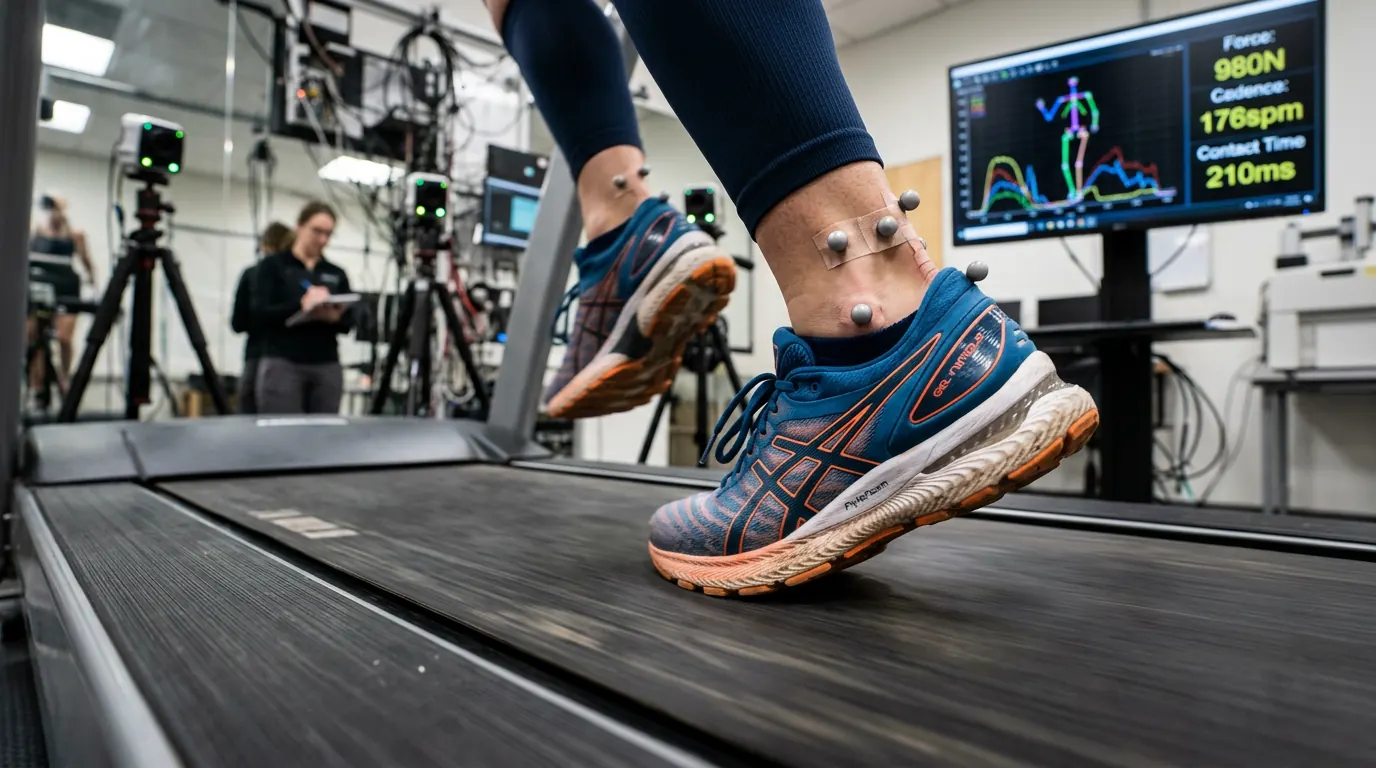
Our lab data shows that increasing cadence by 5 to 10 percent from your natural rate reduces load at the knee and hip. That is useful if you are recovering from injury or tend to overstride.
How to try it
Count your steps for 30 seconds on an easy run and double it. Then use a metronome app set 5 percent higher for a few short segments each week. Small changes stick better than big ones.